
Most tech companies quietly chase the same thing: habitual daily use, strong retention and users who cannot imagine working without the product. They usually avoid saying the loud part this clearly.
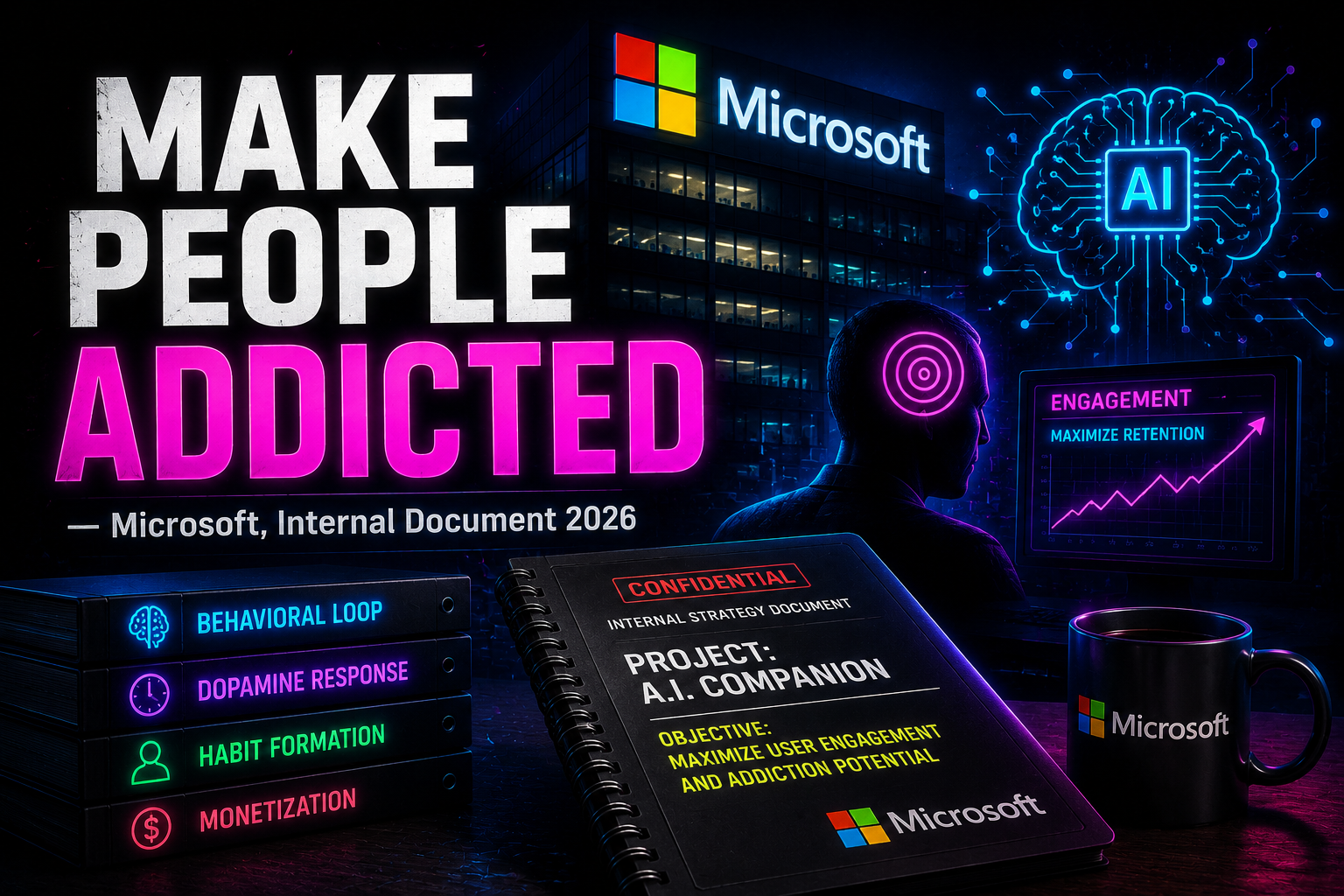
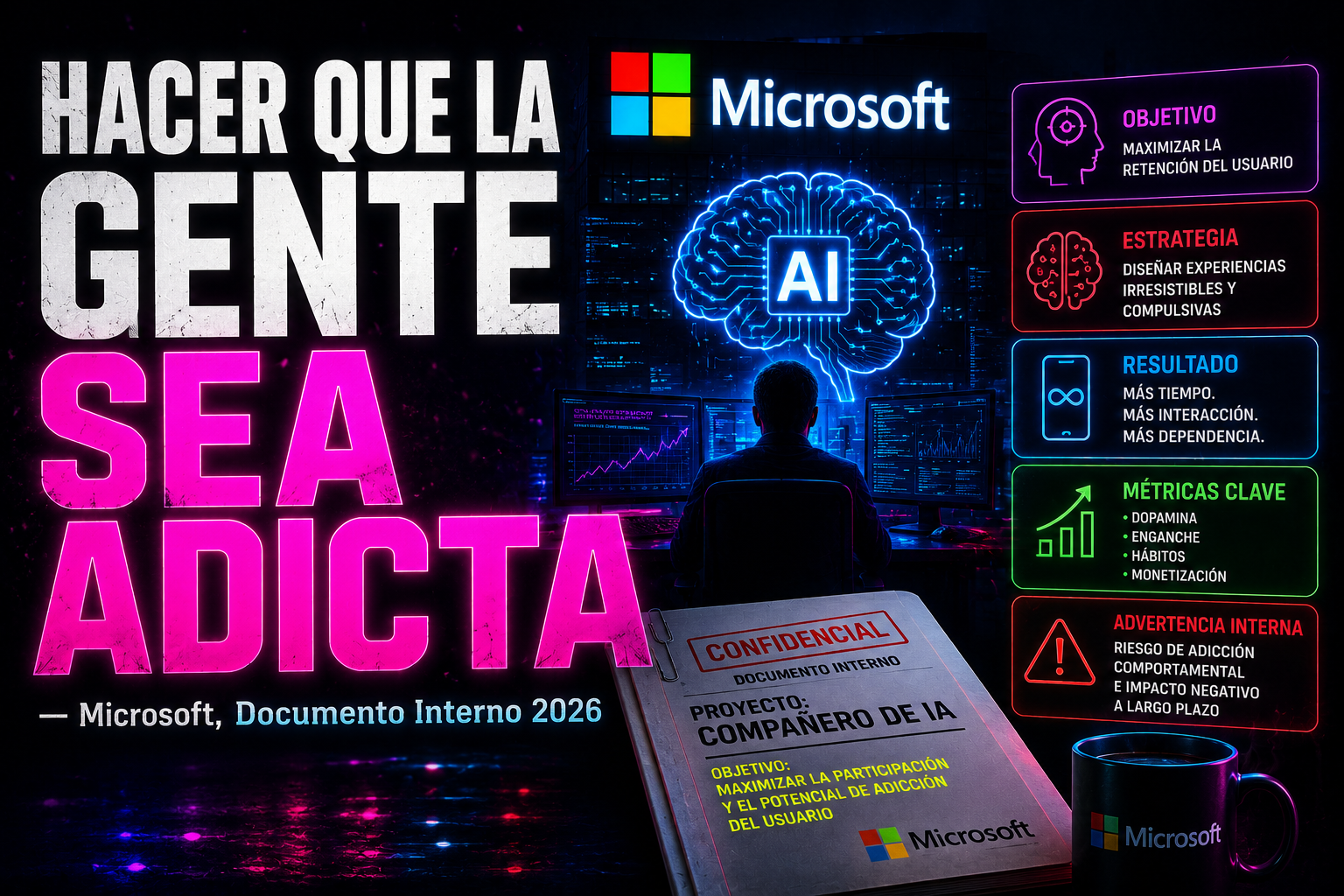
According to the source article, on June 2, 2026, the same day Microsoft announced Scout at Build, 404 Media published an internal planning document leaked from inside the company. The document was titled ClawPilot: Overview and Plan with Project Lobster. Phase one's headline: Make people addicted.
Phase 1 - ClawPilot overall plan, as described in the supplied source article.
What Is Scout?
The source article describes Scout as Microsoft's bet on agentic AI: an always-on personal assistant integrated across Microsoft 365, including Outlook, Teams, OneDrive, SharePoint and the Windows desktop.
Unlike a chatbot you open only when needed, Scout is framed as a background system that builds memory and context over time. The article says it can draft emails, manage calendars, code, file invoices and take actions on the user's behalf, locally on the device.
The product problem is obvious: the more useful an AI agent becomes, the more intimate its access gets.
The Three Phases
The leaked plan is described as a move from addictive app to agentic platform. That is the part that turns a product roadmap into a bigger warning sign.
Nadella's Reaction
The source article says Microsoft CEO Satya Nadella responded through The Information by saying he did not know what the document was or who wrote it, dismissing it as nonsense. It also says 404 Media pushed back by pointing to named authors in the document.
The denial matters because it shows Microsoft understood the word addicted was a reputational problem the second it became public.
The article also says an anonymous Microsoft employee called the language very troubling and connected it to wider concerns about AI chatbot dependency.
The Rollout Plan
This Is Not Just Microsoft
Every major AI company wants the same outcome: become indispensable. The difference here is the language. When addiction appears as a product phase, it stops sounding like an accidental side effect.
The source article also flags the irony that the document was described as co-created turn-by-turn with AI and human verified. A strategy document about making users dependent on AI was itself written with AI in the loop.
Frequently Asked Questions
MediaBoxEnt Take
Microsoft did not accidentally pick a spicy word. The source material presents addiction as a named phase in a product path, and that should make users, creators and IT buyers pay attention.
Scout may be genuinely useful. That is exactly why the story matters. A weak AI assistant is easy to ignore. A useful one that lives inside email, files, calendar and work memory becomes much harder to remove.
Send it to your network. Pass this article to someone who needs the context. Hot take: if an AI assistant saves you hours every week, where is the line between useful dependency and engineered addiction?
- Dario / MediaBoxEnt