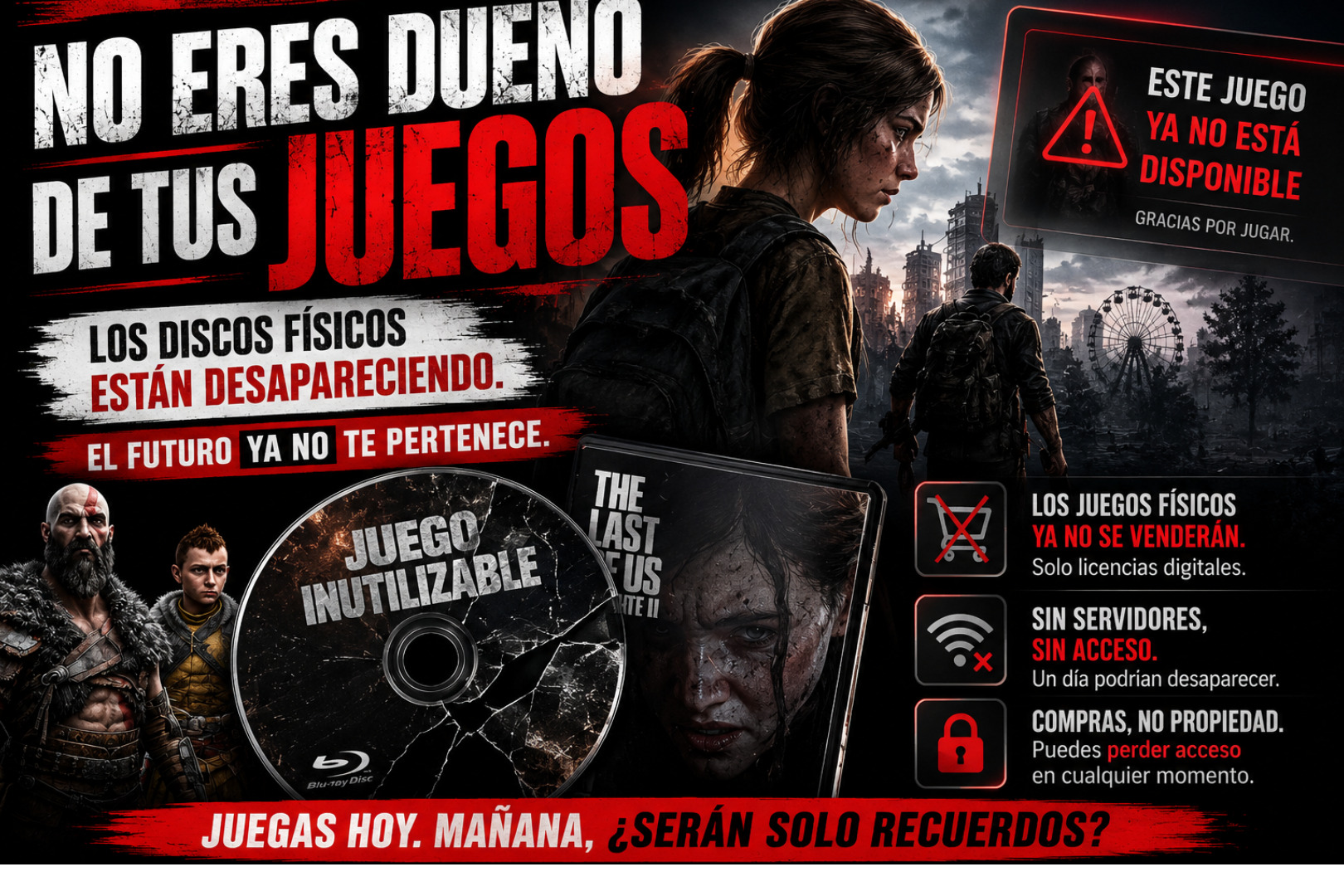
A game can survive while part of it dies forever
Imagine buying a car and learning that, fifteen years later, the manufacturer can remotely remove an entire set of features. You still own the vehicle, but someone else decides which parts remain useful.
Most people would reject that immediately. Gamers have been trained to call it a normal server shutdown.
What PlayStation is actually shutting down
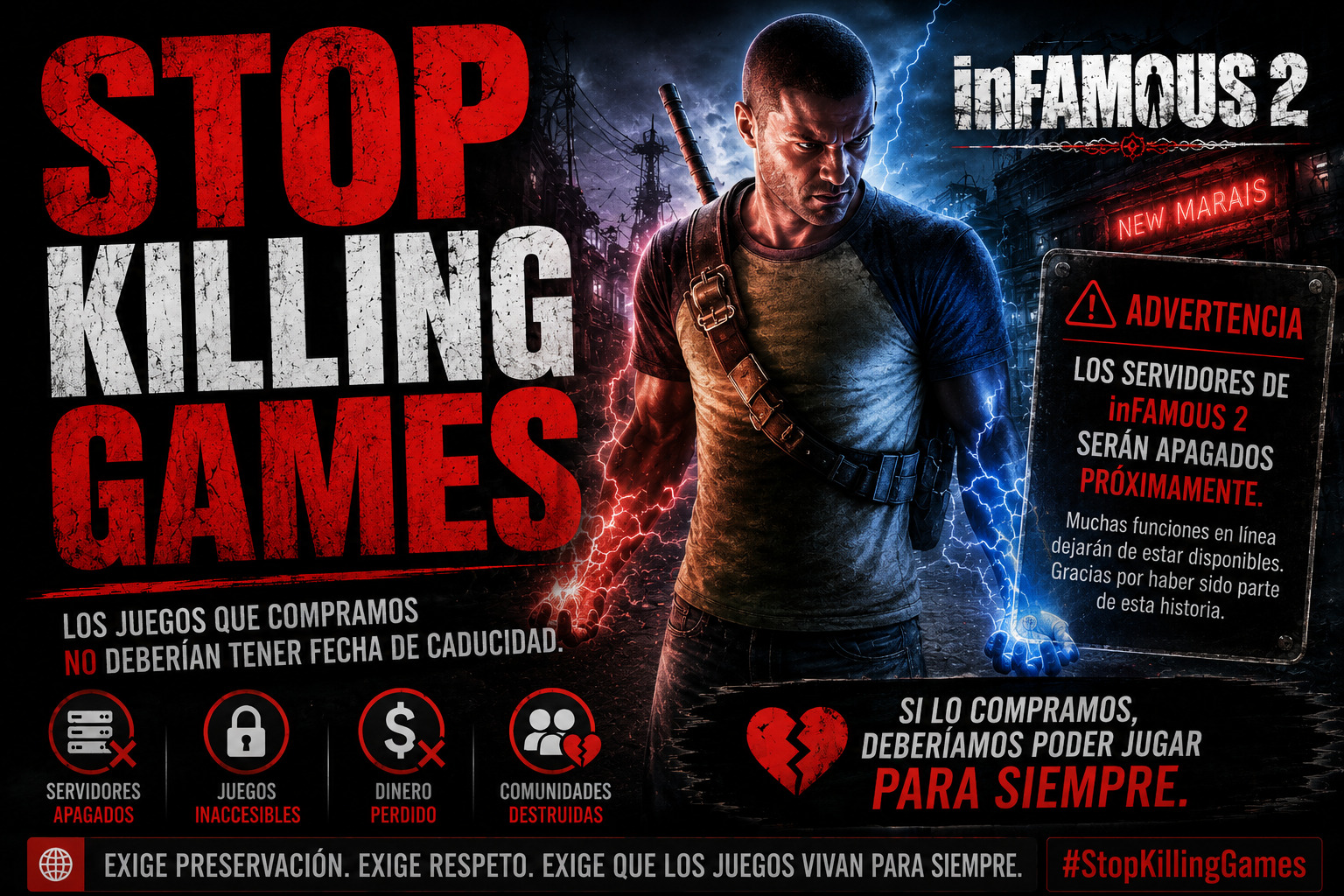
PlayStation says online support for the User Generated Content (UGC) features in inFAMOUS 2 on PlayStation 3 will end on August 31, 2026.
The campaign is not being deleted. Offline features, including the main campaign, will remain playable.
What disappears is still significant. Players will no longer be able to access, browse, upload, download or play UGC missions through the official servers. A major slice of the game's creative community will become inaccessible in one move.
This is not only a feature—it is a community archive
For years, players used the mission editor to build stories, combat challenges, experiments and experiences the original developers never planned. That work became part of what inFAMOUS 2 was.
When the servers close, the loss is not comparable to disabling a leaderboard. It removes access to creative work made by players and shared across more than a decade of the game's life.
The code on the disc survives. The community history around it does not.
Buying a game is not the same as controlling its future
When people buy a game, they naturally think they are purchasing a product. In practice, modern games often combine a local copy with licenses, accounts, authentication and online services that remain under the publisher's control.
Your receipt can last forever. Your access to every feature may not.
That does not mean publishers promise eternal server support. It means the word ownership becomes less useful when important parts of a product can disappear without a preservation path.
The disc helps—but it is not a complete safety net
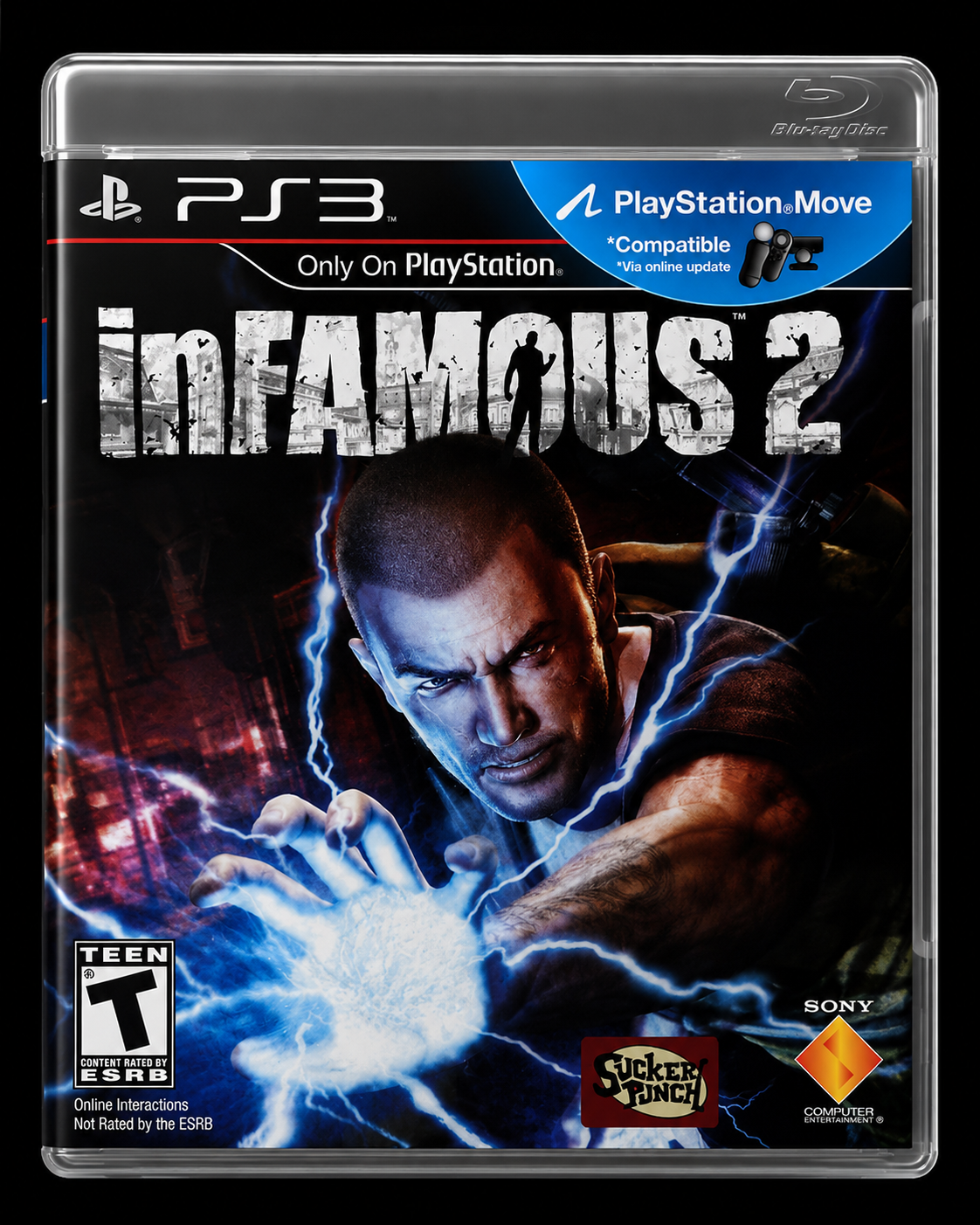
The inFAMOUS 2 disc still matters. It preserves the offline campaign in a form that can exist outside a storefront account. But it cannot preserve server-hosted missions by itself.
That distinction matters as more games require day-one patches, downloadable assets, account checks, cloud systems or live infrastructure. Physical media can protect the software that is actually on the disc. It cannot automatically save everything the game depends on.
The plastic survives. The full experience may not.
inFAMOUS 2 is part of a much bigger pattern
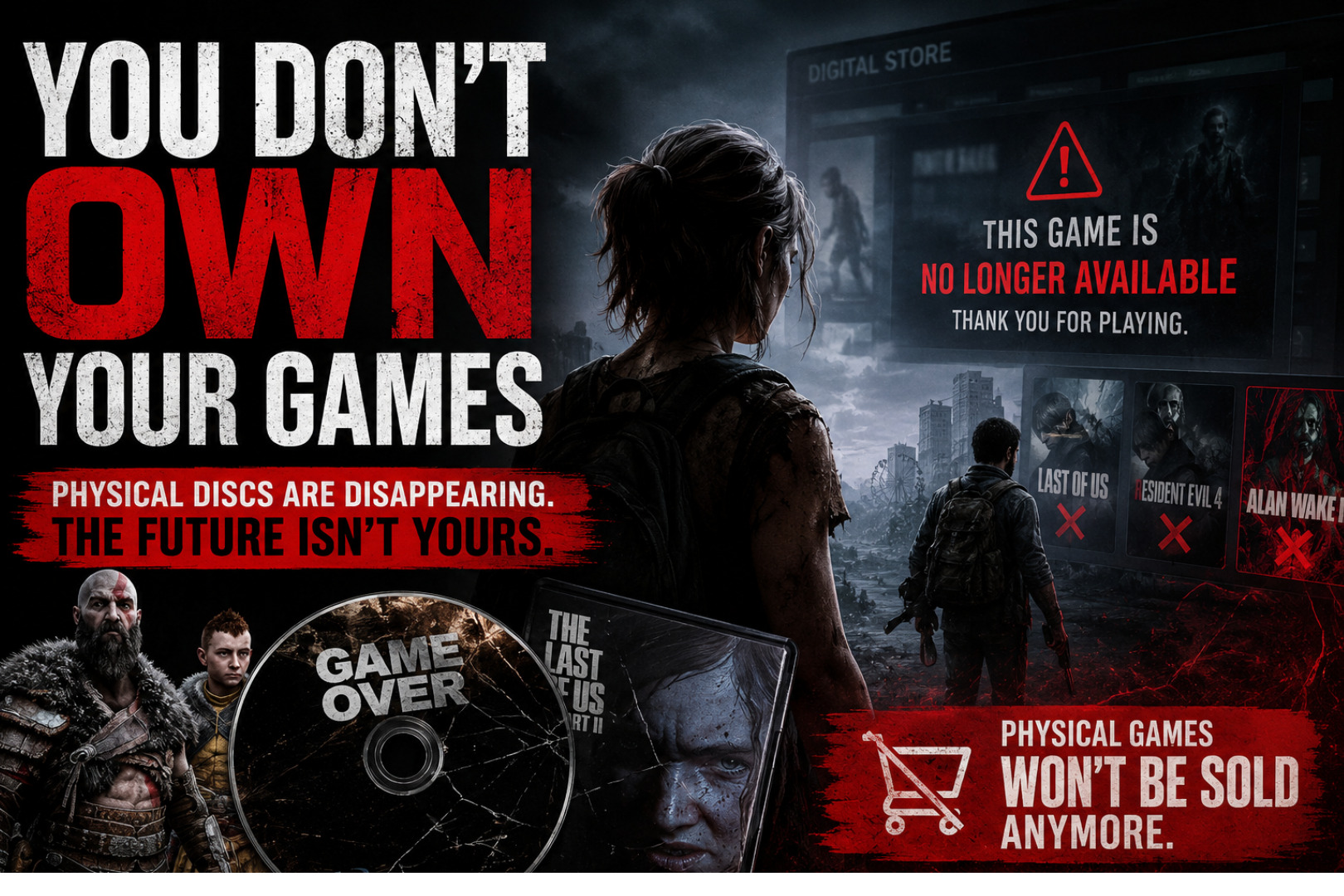
The Crew became inaccessible after Ubisoft shut down its servers. Anthem became unplayable when EA ended its live servers. Other games have lost modes, progression, economies and community features at the end of support.
inFAMOUS 2 is less extreme because its campaign survives. But it shows the same structural problem: the buyer controls only the parts that do not depend on somebody else's machine.
Every shutdown redraws the boundary between the game people remember and the version they can still access.
The publisher argument is real
Servers cost money. Old infrastructure becomes difficult to secure. Hardware, software dependencies and staff expertise age out. Keeping a service online forever for a shrinking audience may not be realistic.
That is a valid business problem. It is not a complete preservation strategy.
End-of-life planning should begin before a game launches, not when a shutdown notice goes live.
A shutdown does not have to mean erasure
Publishers have several possible exit paths: an offline patch, local export tools, community-hosted servers, released server binaries, or a documented handoff that lets preservation groups keep compatible services alive.
Not every option fits every game. Licensing, privacy and security can complicate a release. But the choice should not always be between expensive official support forever and permanent deletion.
The growing Stop Killing Games campaign reflects that frustration. Its European Citizens' Initiative, officially titled Stop Destroying Videogames, reached 1,294,188 verified statements of support and pushed game end-of-life practices into formal policy discussion.
QA: what players need to know
When do the inFAMOUS 2 UGC servers close?
PlayStation lists August 31, 2026 as the end date for online UGC support.
Will the main campaign still work?
Yes. PlayStation says the offline features, including the main campaign, will remain playable.
What exactly becomes unavailable?
Accessing, browsing, uploading, downloading and playing UGC missions through the official online servers.
Does owning the disc save the UGC missions?
No. The disc preserves the content stored locally, but the shared UGC library depends on the online service.
Sources and further context
PlayStation: official online-server support notice
Ubisoft: The Crew server shutdown notice
EA: Anthem end-of-service update
European Commission: verified support for Stop Destroying Videogames
MediaBoxEnt Take
inFAMOUS 2 is not being erased completely, and that distinction matters. But the UGC shutdown still removes a meaningful piece of gaming history that players helped create.
Publishers should not be required to operate every server forever. They should be expected to plan a responsible ending. If a paid product depends on online infrastructure, there should be a credible path that preserves as much of it as technically and legally possible.
Buying a game should not guarantee immortal servers. It should guarantee more than silence when those servers die.