
Disclosure: This post may contain affiliate links. If you buy through these links, MediaBoxEnt may earn a small commission at no extra cost to you.
Read disclosure - Support MediaBoxEnt64K RAM SYSTEM 38911 BASIC BYTES FREE
READY.
LOAD "MEDIA BOX ENT",8,1
SEARCHING FOR MEDIA BOX ENT
LOADING
READY.
RUN
Personal intro
Before the Ultimate, I started with the VIC-20, the C64 and the Amiga that changed everything
My story starts when I bought my VIC-20. It had less RAM than a modern emoji, but for me it was magic. I typed BASIC from magazines, loaded programs from cassette and waited for the machine to answer back. That was how I got introduced to computers: not through a polished app, but through patience, noise, mistakes and that feeling that I was talking to the future one line at a time.
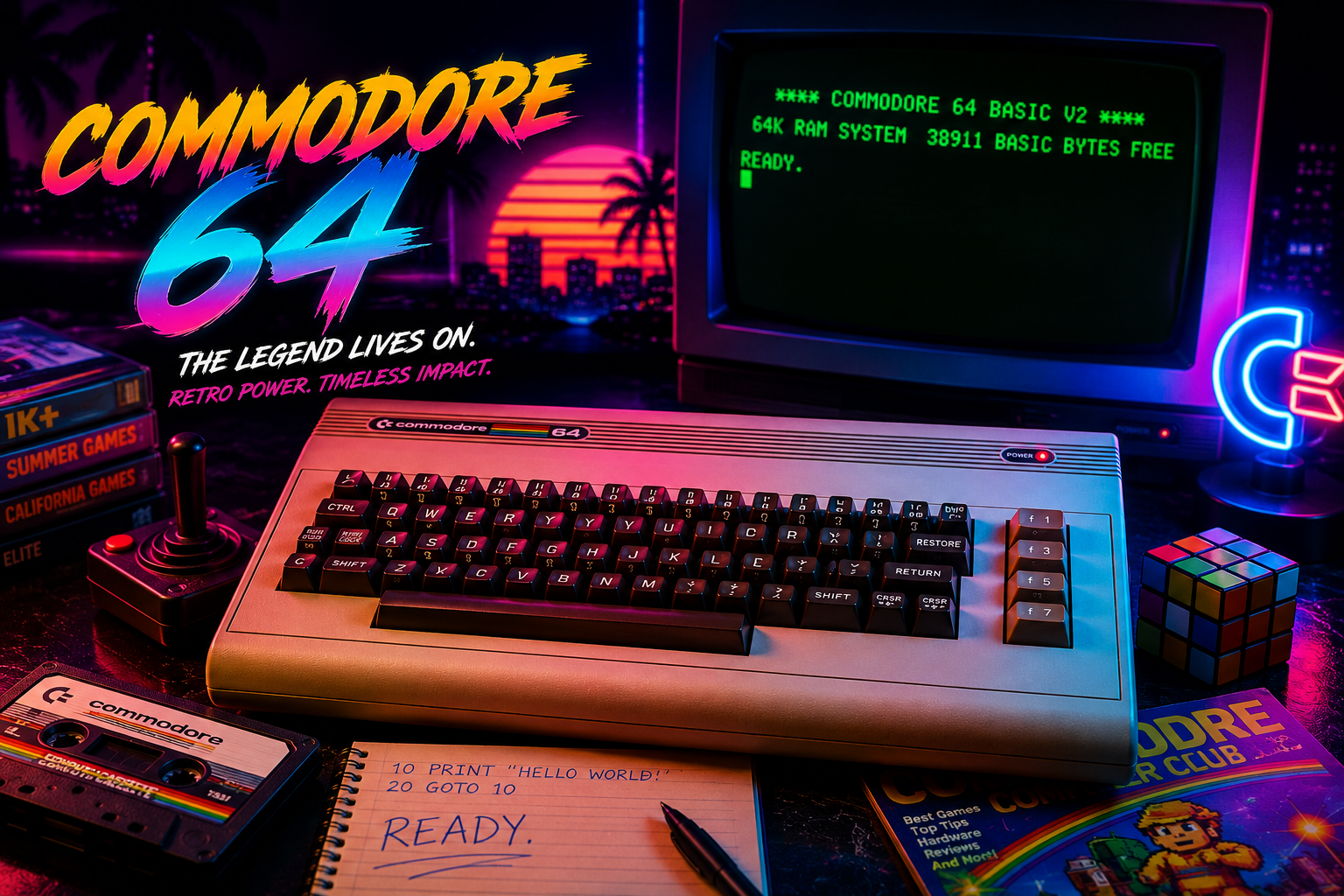
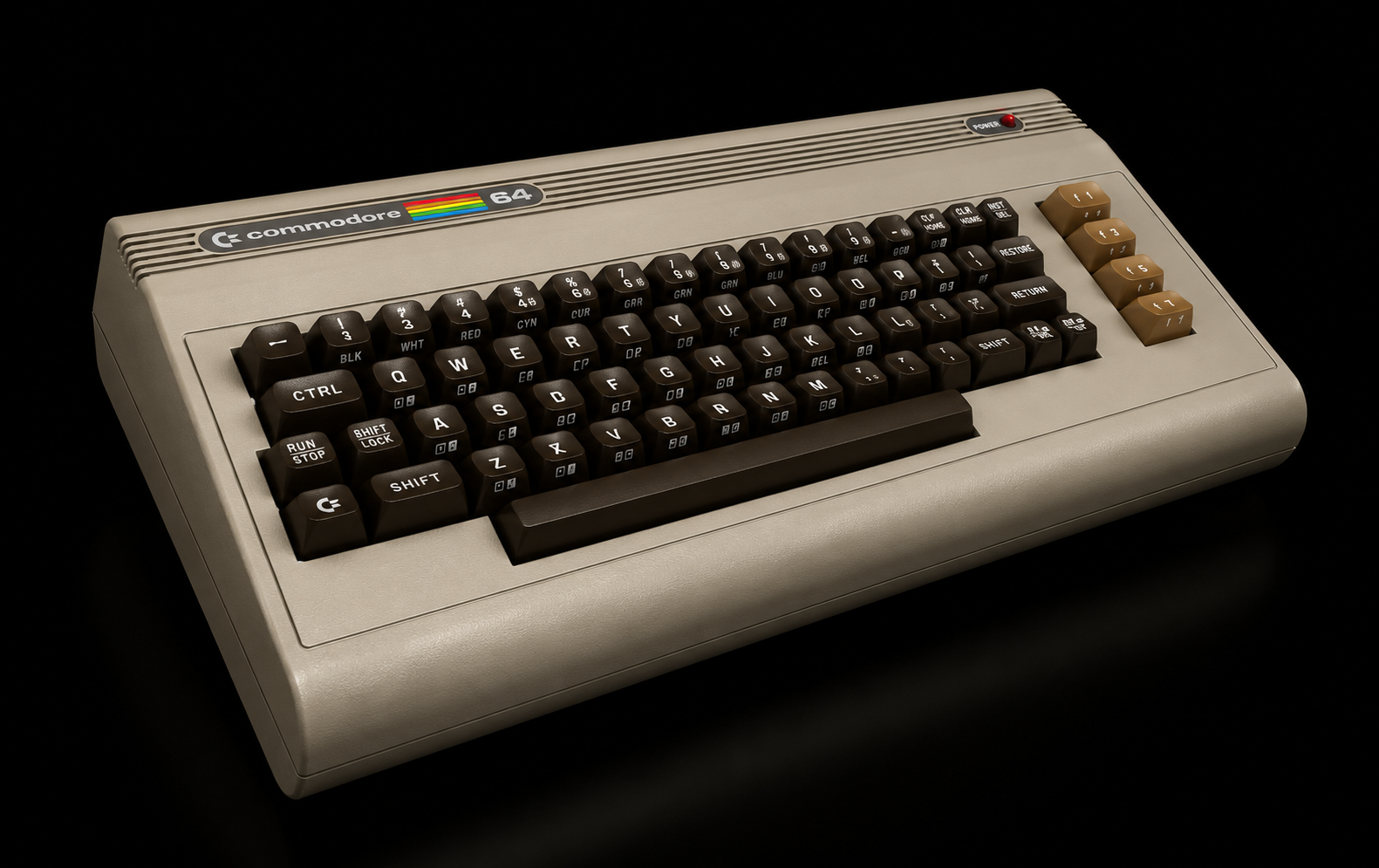
Then I moved into the Commodore 64, and the whole world opened up. The SID chip sounded different from everything else, the graphics punched above the price, and the full setup felt like a personal command center: C64, 1541 drive, monitor, datasette, joystick and that blue READY screen waiting for the next idea.
And then the Amiga 500 appeared. The Amiga 500 was a revelation. When I plugged it in for the first time, the C64 simply stayed behind because the Amiga did everything better, and moving forward felt logical. Nobody could imagine back then that decades later the nostalgia for those machines would feel more emotional than any modern PC on my desk.
That is the part that still hurts a little: I sold everything without thinking about what it would mean later. Today I look back and think about the VIC-20, the C64, the drives, the tapes, the Amigas, and yes, I regret not keeping that retro collection. After the Amiga 500 I went through the Amiga 2000, 1200, 600, 3000T and 4000, but that is another story for another day. At some point I will tell the full story from the Amiga 500 to the 4000. For now, this is a retro story wrapped around a review of why the Commodore 64 Ultimate hits so hard.
VIC-20
The machine that introduced me to computers: BASIC, cassette loading and the first real feeling of controlling a screen.
Commodore 64
The complete setup I remember: SID sound, 1541 drive, datasette, joystick and a library that defined home computing.
Commodore 64C
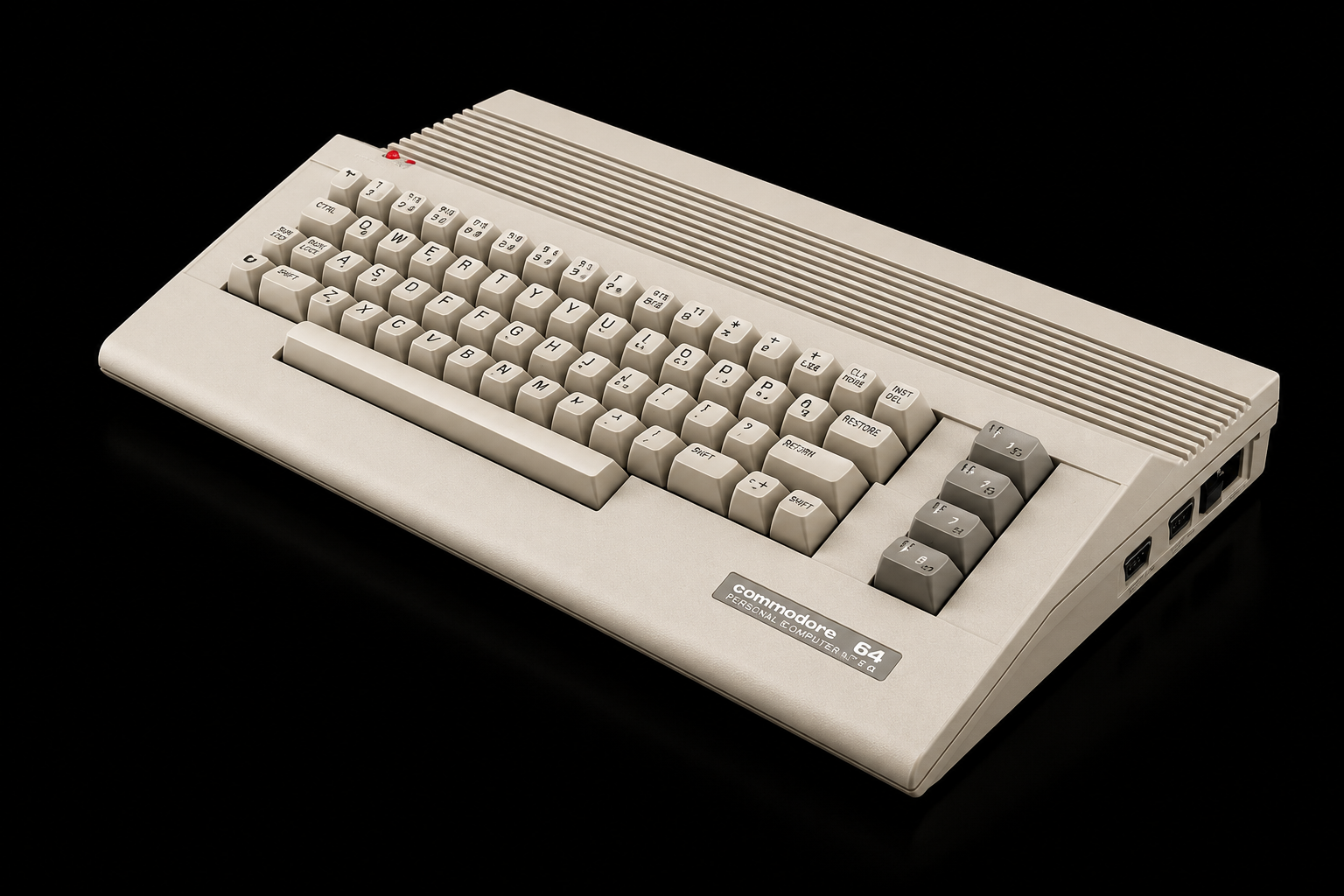
Same heart, slimmer case, cleaner look and one last major C64 shape before the Amiga took over the imagination.
Amiga 500, 2000, 1200, 600, 3000T and 4000
The leap was brutal. I moved forward because the Amiga did so much more, but selling that hardware later is the kind of decision that stings decades after.
Commodore 64 Ultimate
The return: FPGA hardware, official Commodore branding, classic ports and the kind of second chance retro fans did not expect.
Why it matters
This revival does not feel like a cheap nostalgia toy
When a retro brand comes back, the warning lights turn on. We have seen the pattern: someone buys a famous name, puts an old logo on generic hardware and charges a nostalgia tax. The Commodore 64 Ultimate is aiming at something more serious: an FPGA-based hardware recreation designed to behave like a real C64 while adding the outputs and conveniences a modern setup needs.
The key difference is that it is not just software emulation running on a generic box. The heart is an AMD Xilinx Artix-7 FPGA, a programmable hardware platform that recreates the classic system logic much closer to the original machine. For normal users, that means the important part is practical: old games, cartridges and peripherals have a better chance of feeling right.
The official pitch targets thousands of C64 games, cartridges and classic peripherals.
A recreation of C64 behavior instead of a basic emulator app in a shell.
Modern outputs without abandoning classic ports like IEC, cartridge and datasette.
The team
The nostalgia hits harder when real history is involved
The new Commodore story is tied to Christian "Peri Fractic" Simpson from Retro Recipes and a reboot that leans heavily on the retro community. The original notes mention major Commodore names such as Al Charpentier, widely associated with the C64's original design work, Dave Haynie from the Amiga side of Commodore history, and Jeri Ellsworth, known for the C64DTV joystick computer.
That changes the read. Buying a logo to sell nostalgia is one thing. Building a machine that tries to respect BASIC, cartridges, drives, SID sound, classic ports and CRT-friendly workflows is different. This feels less like a souvenir and more like a machine made by people who understand why the old one mattered.
Editions and prices
Important: current prices are not exactly the original launch numbers
The early article draft listed $299, $349 and $499. Checking the official store on May 13, 2026, the current picture is higher on some models: BASIC Beige shows a regular price of $349.99 and a sale price of $299.99, Starlight Edition shows $399.99, and Founders Edition shows $549.99. So before falling in love with the old price, check the live listing.
The straight path: classic look, FPGA hardware and the least painful entry price.
Translucent case, lighting and collector energy without going all the way to the top.
The version for people buying a collectible object, not only a computer.
The slimline 1986-1994 look, announced with shipping expected in late 2026.
Specs that matter
The good part is that it did not stay frozen in 1982
The original Commodore 64 was magic, but it was also waiting, cable juggling, noisy drives and picky displays. The Ultimate keeps the romantic part and adds what a modern desk needs: HDMI 1080p, USB, Ethernet, Wi-Fi and microSD. At the same time, it keeps the physical language of the C64: cartridge expansion, datasette and IEC for classic disk drives.
For musicians and demosceners, SID matters. C64 audio is part of the machine's identity, and weak recreations get exposed quickly. That is why serious SID support, real or virtual depending on setup, matters more here than a spec sheet bullet.
There is also a detail that deserved to be added back from the original draft: the C64C Ultimate line is tied to the original 1986 injection tooling. The point is not only that the new shell looks right. The deeper appeal is that the physical case shape is connected to the same manufacturing history as the old machines.
Pros and cons
The honest verdict
What works
- FPGA hardware instead of generic software emulation.
- Promised compatibility with classic games, cartridges and peripherals.
- HDMI and modern connectivity without dropping old-school ports.
- The project feels aimed at real fans, not just display shelves.
- The C64C line adds a very strong visual option for collectors.
What to watch
- It is not cheap, even the entry price lives close to $300.
- The Founders Edition is deep collector territory.
- Availability, batches and shipping windows need checking before buying.
- If you only want casual play, cheaper emulation paths exist.
- The value depends on how much you actually use real ports and old hardware.
Related posts
More retro and gaming tech to keep going

Sources checked
Updated before publishing
Because pricing and availability changed after the early announcement, the current article was checked against live sources before publishing.
MediaBoxEnt Take
This C64 is not for everyone, and that is exactly why it works
If all you want is to load old games for a weekend, there are cheaper ways to do it. But if you want a new C64 that respects cartridges, ports, sound, BASIC and the feeling of sitting in front of a machine with history, the Commodore 64 Ultimate makes sense.
The question is not whether nostalgia sells. Of course it does. The question is whether this time the nostalgia comes with enough real hardware to justify the price. For serious retro fans, yes. For casual curiosity, wait, read user reviews and do not buy only because the logo hits you in the chest.
Disclosure: This post may contain affiliate links. If you buy through these links, MediaBoxEnt may earn a small commission at no extra cost to you.
Read disclosure - Support MediaBoxEnt64K RAM SYSTEM 38911 BASIC BYTES FREE
READY.
LOAD "MEDIA BOX ENT",8,1
SEARCHING FOR MEDIA BOX ENT
LOADING
READY.
RUN
Introduccion personal
Antes del Ultimate, mi historia empezo con el VIC-20, el C64 y la Amiga que cambio todo
Mi historia empieza cuando compre mi VIC-20. Tenia menos RAM que un emoji moderno, pero para mi fue algo magico. Yo tipeaba BASIC desde revistas, cargaba programas desde casete y esperaba a que la maquina me respondiera. Asi fue como me introduje en las computadoras: no con una app perfecta, sino con paciencia, ruido, errores y esa sensacion de estar hablando con el futuro linea por linea.
Despues me fui al Commodore 64, y ahi se abrio otro mundo. El chip SID sonaba distinto a todo lo demas, los graficos peleaban contra maquinas mas caras y el setup completo se sentia como mi centro de comando personal: C64, drive 1541, monitor, datasette, joystick y esa pantalla azul con READY esperando la proxima idea.
Y entonces aparecio la Amiga 500. La Amiga 500 fue una revelacion. Cuando la enchufe por primera vez, el C64 simplemente quedo atras porque la Amiga lo hacia todo mejor, y era lo logico seguir adelante. Nadie podia imaginarse en ese momento que decadas despues la nostalgia por esas maquinas le iba a ganar en emocion a cualquier PC moderna que pudiera tener hoy en mi mesa.
Esa es la parte que todavia me pesa: vendi todo sin pensar en lo que significaria despues. Hoy miro hacia atras y pienso en el VIC-20, el C64, los drives, las cintas, las Amiga, y si, me arrepiento de no haber guardado esa coleccion retro. Despues de la Amiga 500 me fui a la Amiga 2000, 1200, 600, 3000T y 4000, pero eso es otra historia para otro dia. En algun momento voy a contar la historia completa de lo que paso desde la Amiga 500 hasta la 4000. Por ahora, esta es una historia retro mezclada con review de por que el Commodore 64 Ultimate pega tan fuerte.
VIC-20
La maquina que me introdujo a las computadoras: BASIC, casete y la primera sensacion real de controlar una pantalla.
Commodore 64
El setup que recuerdo: SID, drive 1541, datasette, joystick y una biblioteca que definio la computacion de casa.
Commodore 64C
Mismo corazon, case mas delgado, look mas limpio y una ultima gran forma del C64 antes de que la Amiga dominara la imaginacion.
Amiga 500, 2000, 1200, 600, 3000T y 4000
El salto fue brutal. Segui adelante porque la Amiga hacia mucho mas, pero haber vendido ese hardware despues es una de esas decisiones que duelen decadas mas tarde.
Commodore 64 Ultimate
El regreso: FPGA, marca oficial Commodore, puertos clasicos y una segunda oportunidad que los fans retro no esperaban.
Por que importa
Este revival no se siente como juguete barato
Cuando una marca retro vuelve, el instinto geek prende alarma. Muchas veces significa una carcasa linda, un emulador comun y precio inflado por nostalgia. El Commodore 64 Ultimate apunta a otra cosa: una recreacion de hardware basada en FPGA, pensada para comportarse como un C64 real, pero con salidas y comodidades modernas.
La diferencia clave es que no depende de emulacion por software en una cajita generica. El corazon es un AMD Xilinx Artix-7 FPGA, una plataforma programable que recrea la logica del sistema clasico a un nivel mucho mas cercano al hardware original. Para el usuario comun eso significa menos teoria y mas practica: juegos, cartuchos y perifericos viejos tienen mas chance de sentirse como deben.
La promesa oficial apunta a miles de juegos, cartuchos y perifericos C64.
Recreacion del comportamiento del C64, no solo una app de emulacion.
Salidas modernas sin abandonar puertos clasicos como IEC, cartucho y datasette.
El equipo
La nostalgia pesa mas cuando hay historia real detras
El regreso de Commodore esta ligado a Christian "Peri Fractic" Simpson, conocido por Retro Recipes, y a una nueva etapa de la marca que busca apoyarse en figuras historicas y gente de la comunidad retro. En el articulo original se mencionan nombres enormes del universo Commodore como Al Charpentier, Dave Haynie y Jeri Ellsworth; el punto importante no es coleccionar nombres, sino que el proyecto intenta vender continuidad, no solo merchandising.
Eso cambia la lectura. Una cosa es comprar un logo para revender nostalgia. Otra es lanzar una maquina que intenta respetar el uso real: BASIC, cartuchos, drives, sonido SID, puertos viejos y una experiencia que no obligue a elegir entre monitor CRT y pantalla moderna.
Ediciones y precios
Ojo: los precios actuales ya no son exactamente los del anuncio inicial
El material original hablaba de $299, $349 y $499. Revisando la tienda oficial al 13 de mayo de 2026, el panorama aparece mas caro en algunas versiones: BASIC Beige figura con precio regular de $349.99 y oferta de $299.99, Starlight Edition aparece a $399.99 y Founders Edition a $549.99. En otras palabras: si lo queres, mira el precio actual antes de enamorarte del numero viejo.
La opcion mas directa: look clasico, hardware FPGA y entrada menos dolorosa.
Case translucido, iluminacion y energia de coleccionista sin ir al tope.
La version para quienes quieren objeto de coleccion, no solo computadora.
La version slimline con estilo 1986-1994, anunciada para envio a fines de 2026.
Specs que importan
Lo bueno es que no se quedo congelado en 1982
El Commodore 64 original era magia, pero tambien era espera, cables, drives ruidosos y televisores caprichosos. El Ultimate mantiene la parte romantica y suma lo necesario para vivir en un setup moderno: HDMI 1080p, USB, Ethernet, Wi-Fi y microSD. A la vez, conserva el lenguaje fisico del C64: puertos para cartucho, datasette y hardware clasico.
Para musicos y demosceners, el tema SID es clave. El audio del C64 siempre fue parte de la identidad de la maquina, y cualquier intento flojo se delata rapido. Por eso es importante que el Ultimate apunte a compatibilidad seria y soporte para configuraciones SID reales o virtuales, segun la version y el setup.
Pros y contras
El veredicto honesto
Lo que entusiasma
- FPGA en vez de una emulacion generica por software.
- Compatibilidad prometida con juegos, cartuchos y perifericos clasicos.
- HDMI y conectividad moderna sin abandonar puertos de la epoca.
- El proyecto se siente pensado para fans reales, no solo para vitrina.
- La nueva familia C64C suma una opcion visual muy fuerte para coleccionistas.
Lo que hay que mirar
- No es barato: incluso el precio de entrada vive cerca de los $300.
- La Founders Edition sube a terreno de coleccionista pesado.
- Conviene revisar disponibilidad, lotes y tiempos de envio antes de comprar.
- Si solo queres jugar casual, una solucion de emulacion puede costar mucho menos.
- La promesa retro es fuerte, pero el valor depende de cuanto uses puertos y hardware real.
Related posts
Mas retro y gaming tech para seguir el viaje
Fuentes revisadas
Datos actualizados antes de publicar
Como los precios y la disponibilidad cambiaron desde el anuncio inicial, revise fuentes actuales antes de cerrar el articulo.
MediaBoxEnt Take
Este C64 no es para todos, y justamente por eso funciona
Si solo queres cargar juegos viejos un rato, hay caminos mas baratos. Pero si lo que queres es un C64 nuevo que respete cartuchos, puertos, sonido, BASIC y la sensacion de sentarte frente a una maquina con historia, el Commodore 64 Ultimate tiene sentido.
La pregunta no es si la nostalgia vende. Claro que vende. La pregunta es si esta vez la nostalgia viene con suficiente hardware real para justificar el precio. Mi respuesta: para el fan retro serio, si. Para el curioso casual, espera, mira reviews de usuarios y no compres solo por el logo.