
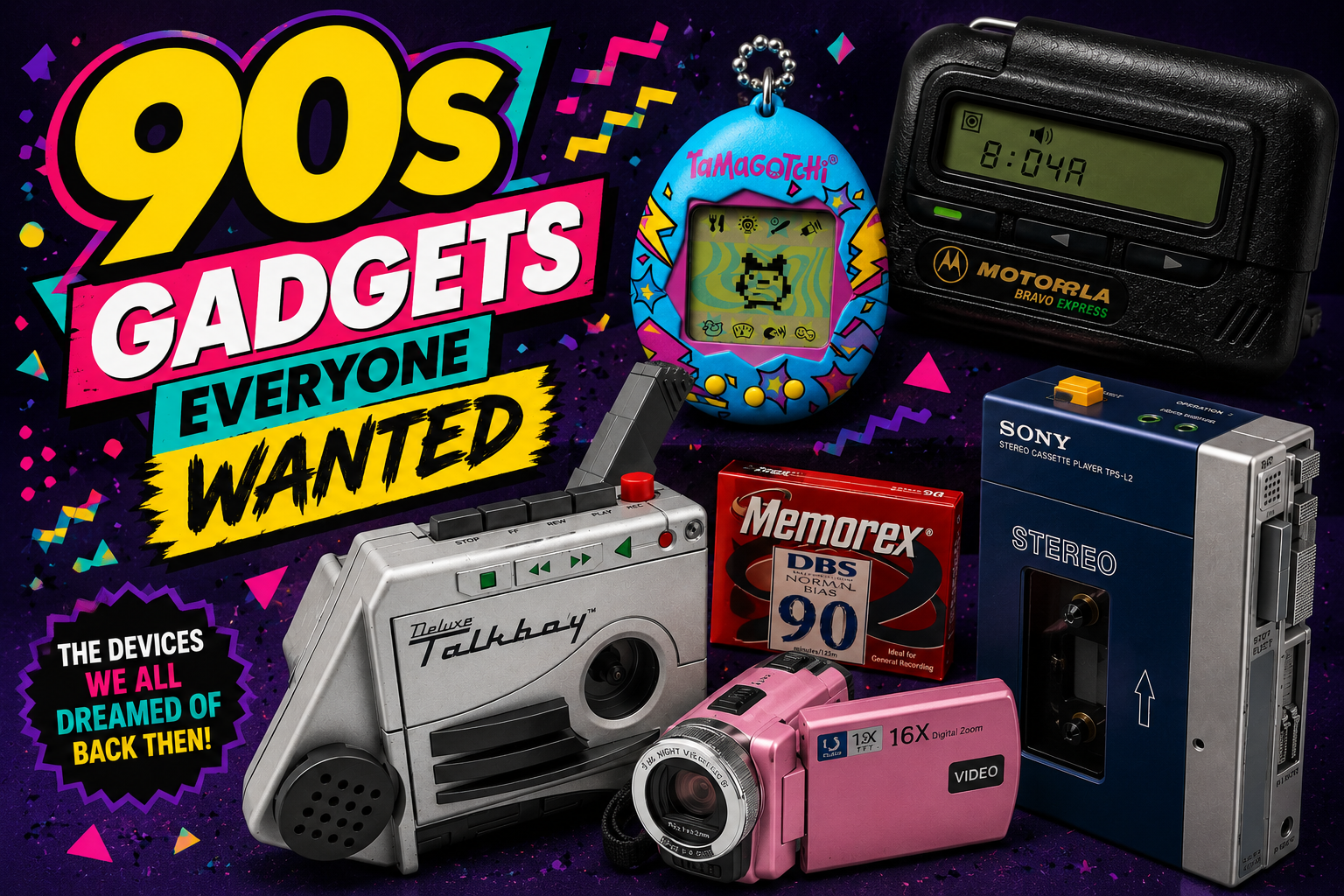
The 1990s were one of the most exciting decades in consumer technology. Every year seemed to bring a gadget that promised to change how people worked, listened to music, watched movies, stayed organized or kept in touch.
Long before smartphones combined everything into a single device, people carried separate tools for separate jobs. A pager for messages. A Walkman for music. A camcorder for family vacations. A PDA for appointments. Each one had a purpose, and many became cultural icons.
Most of them disappeared quietly as smartphones, streaming services, cloud storage and digital media replaced entire categories. Still, they are remembered fondly because they came from a moment when new technology felt simple, physical and genuinely exciting.
Motorola Pagers
The pocket alert before texting became normal.
Before instant messaging and smartphones, pagers were the fastest way to get someone a short, urgent message. Doctors, emergency workers, business people and plenty of teenagers clipped them to belts and backpacks like tiny status symbols.
They were simple, reliable and had incredible battery life. Smartphones eventually replaced them for everyday users, but pagers never fully vanished from high-reliability environments such as hospitals.
Still used in some medical settings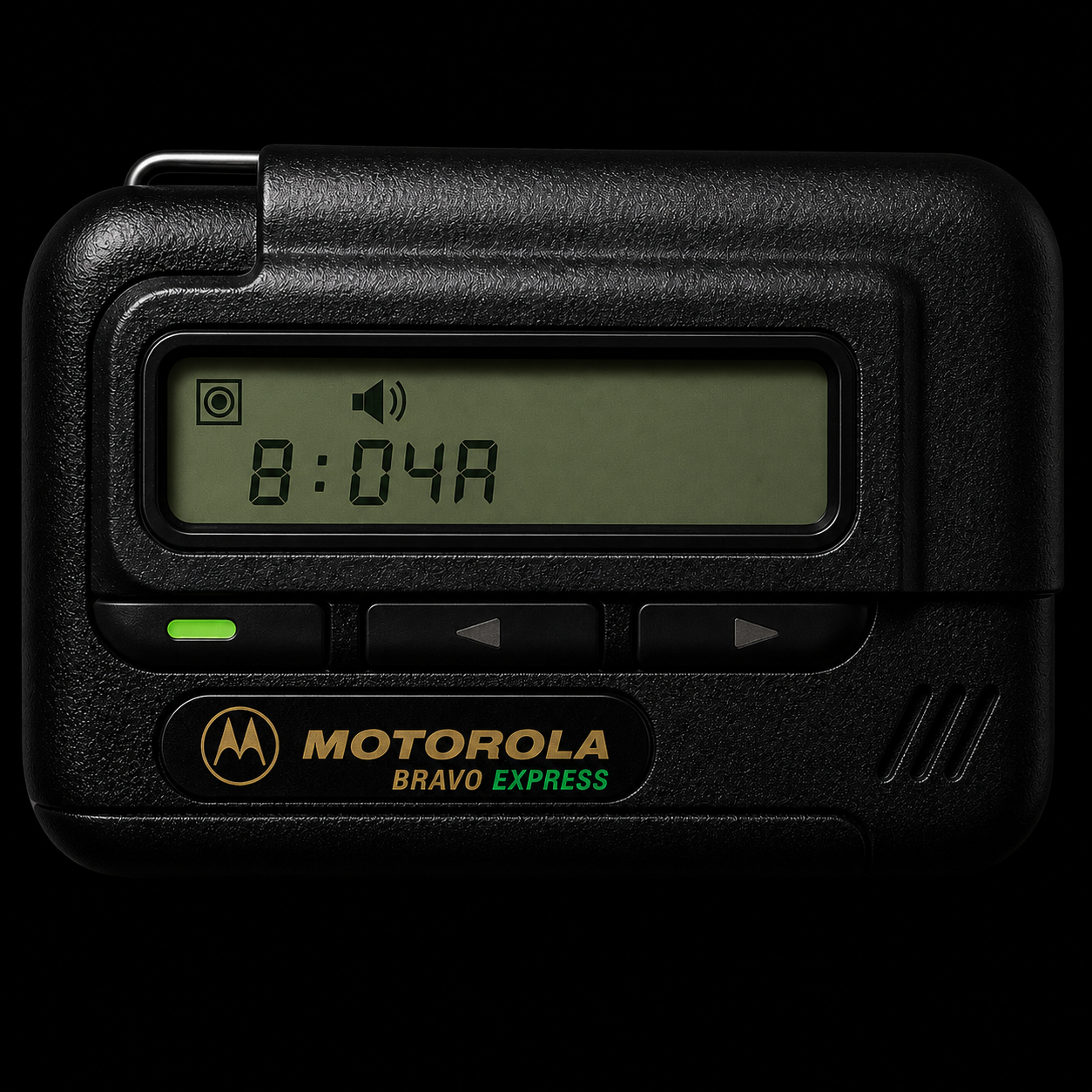
Apple Newton
A tablet idea before the tablet market was ready.
Released in 1993, the Apple Newton was years ahead of its time. It had a touchscreen, handwriting recognition, notes, calendars and portable computing long before tablets became mainstream.
The problem was the gap between vision and execution. The price was high, the handwriting recognition became a running joke and the market was not quite ready. Still, the Newton feels like an early ancestor of the iPad.
The future arrived early, awkwardly and expensively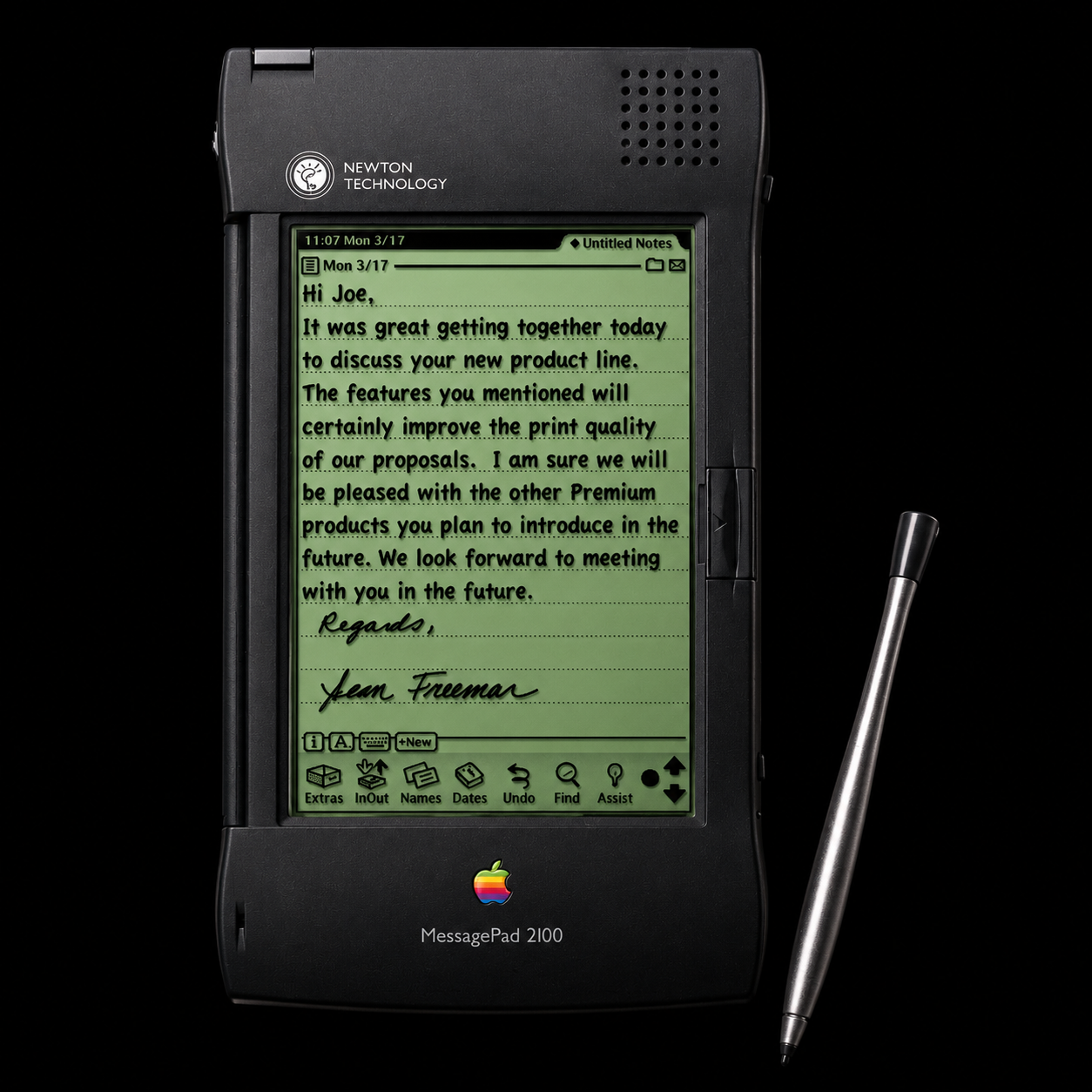
PalmPilot
The productivity flex that lived in your pocket.
The PalmPilot became the personal organizer of choice for millions of professionals. Contacts, calendars, notes, reminders and small apps fit into a device that felt futuristic without trying to do too much.
Before smartphones took over, carrying a PalmPilot said you were organized, mobile and just a little ahead of everyone else. Its DNA is still visible in the way phones handle calendars, contacts and quick notes today.
The PDA era's cleanest mainstream hit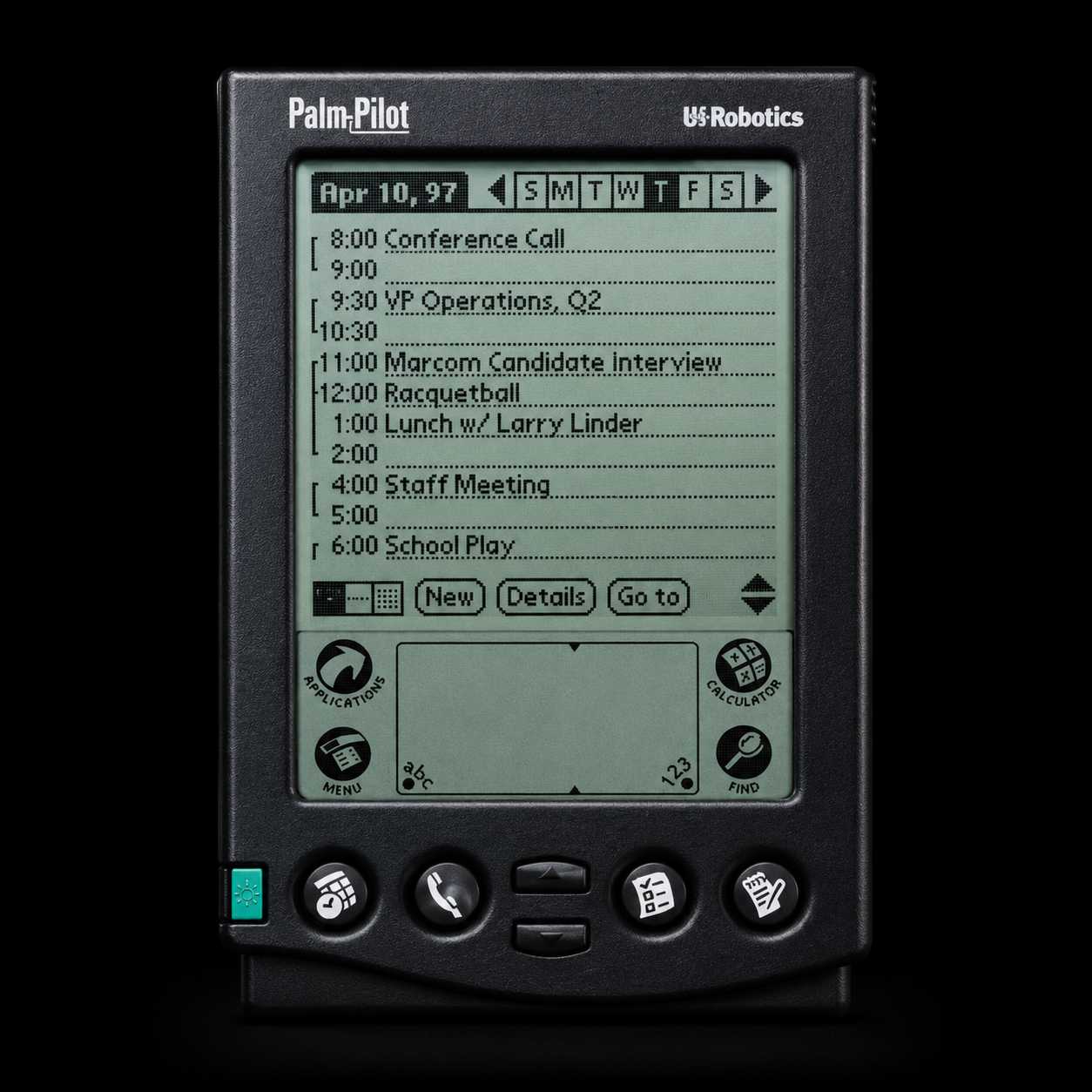
VCR
Friday night, video store, rewind the tape.
For an entire generation, Friday nights meant stopping at the video rental store. VCRs let families record television shows, build VHS collections and turn the living room into a movie room before streaming existed.
DVDs, Blu-ray and then streaming made the VCR obsolete, but the ritual around it still has a hold on people: choosing a tape, reading the box, rewinding before returning it and hoping the tracking behaved.
The machine that made home movie nights feel official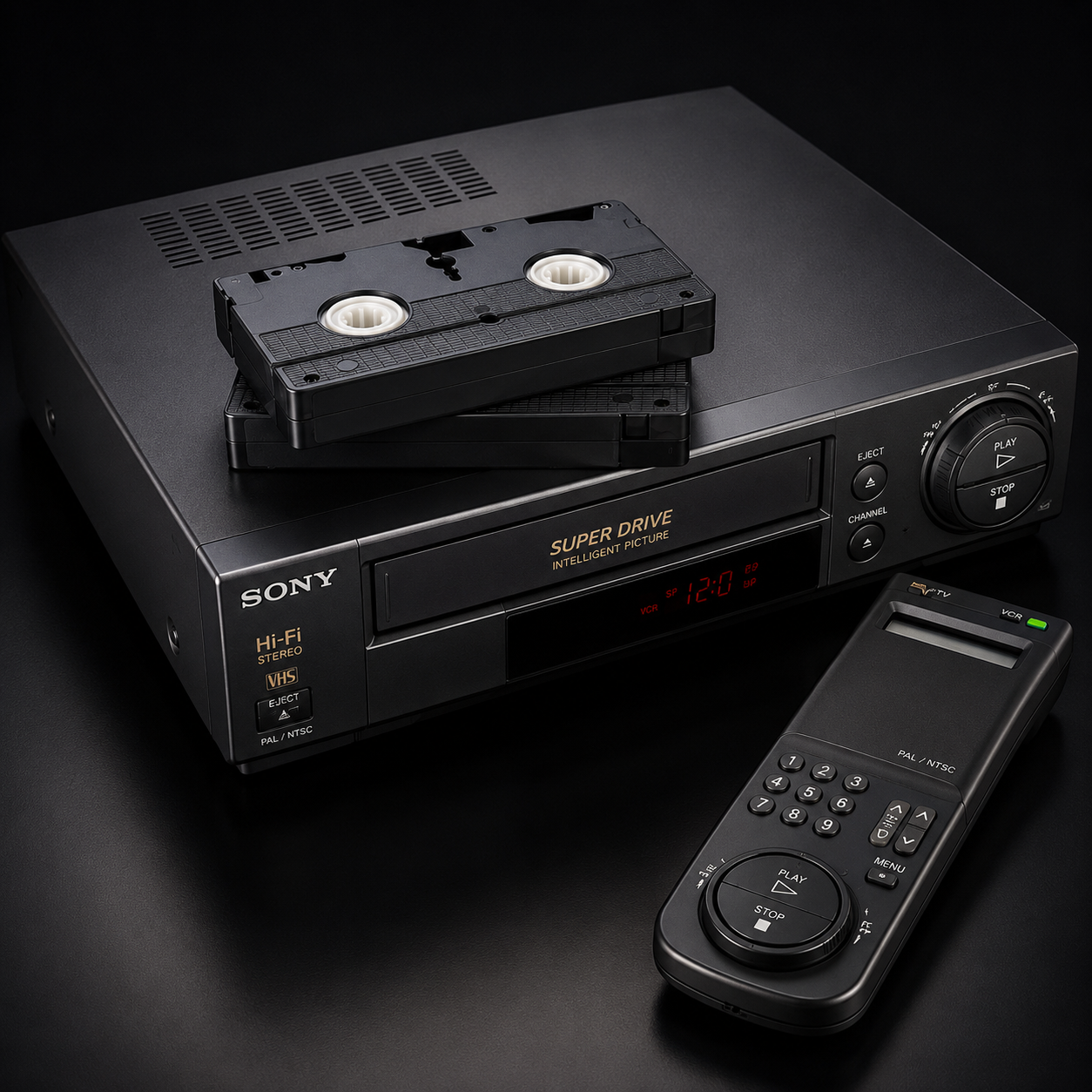
Sony Walkman
The personal soundtrack became portable.
The Walkman changed how people experienced music. It gave listeners the freedom to take favorite cassette tapes anywhere and made the idea of a private soundtrack feel normal.
MP3 players and smartphones later replaced cassette players, but the Walkman set the template: headphones, mobility, playlists before playlists and music that belonged to the person carrying it.
Portable music starts here for millions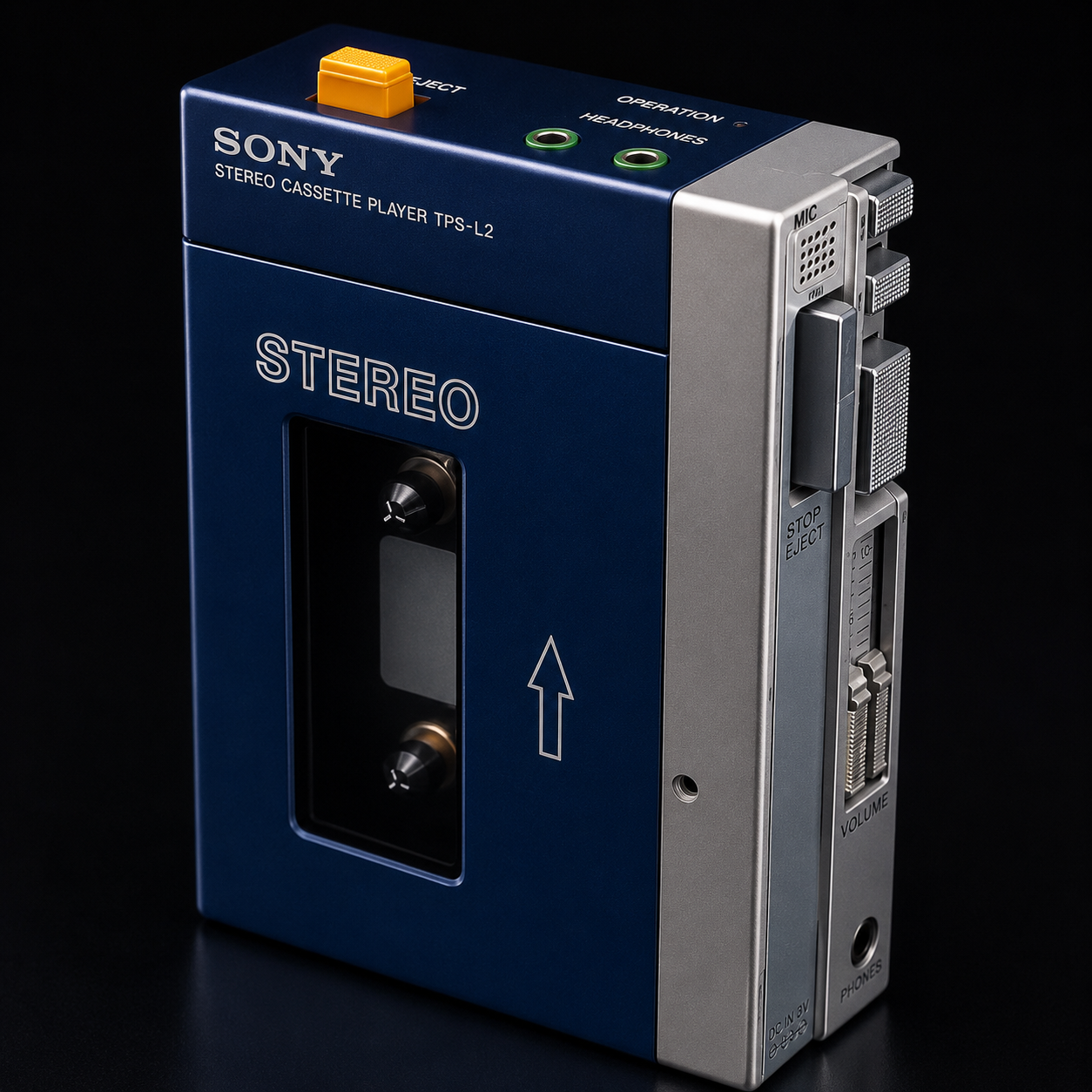
Talkboy
The movie toy that kids actually used.
Made famous by Home Alone 2, the Talkboy became one of the hottest holiday gifts of the early 90s. Kids loved recording voices, playing them back and slowing them down like a tiny portable studio.
It was not powerful technology by modern standards, but that was the charm. It turned every room into a joke lab, a fake radio show or a prank recording session.
A pop-culture toy with real creative energy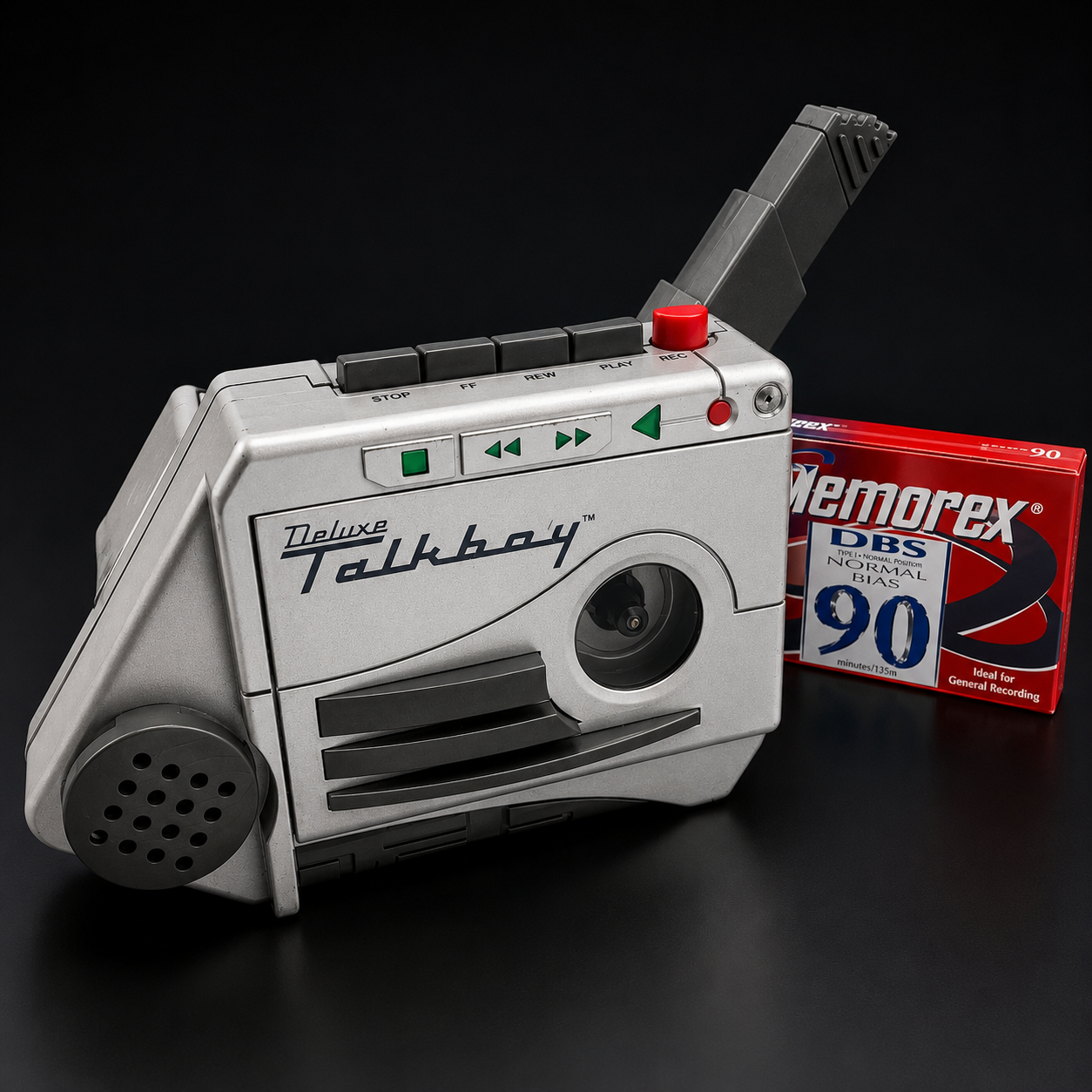
MiniDisc Player
Digital sound, rewritable discs and one brutal timing problem.
Sony introduced MiniDisc as a cleaner replacement for cassette tapes, combining digital sound quality with small rewritable discs. For music enthusiasts, especially in Japan, the format built a loyal fan base.
Outside that core audience, it never became the universal format Sony wanted. The MP3 wave moved faster, and once music became files instead of discs, MiniDisc's window closed.
Loved by fans, squeezed by MP3 players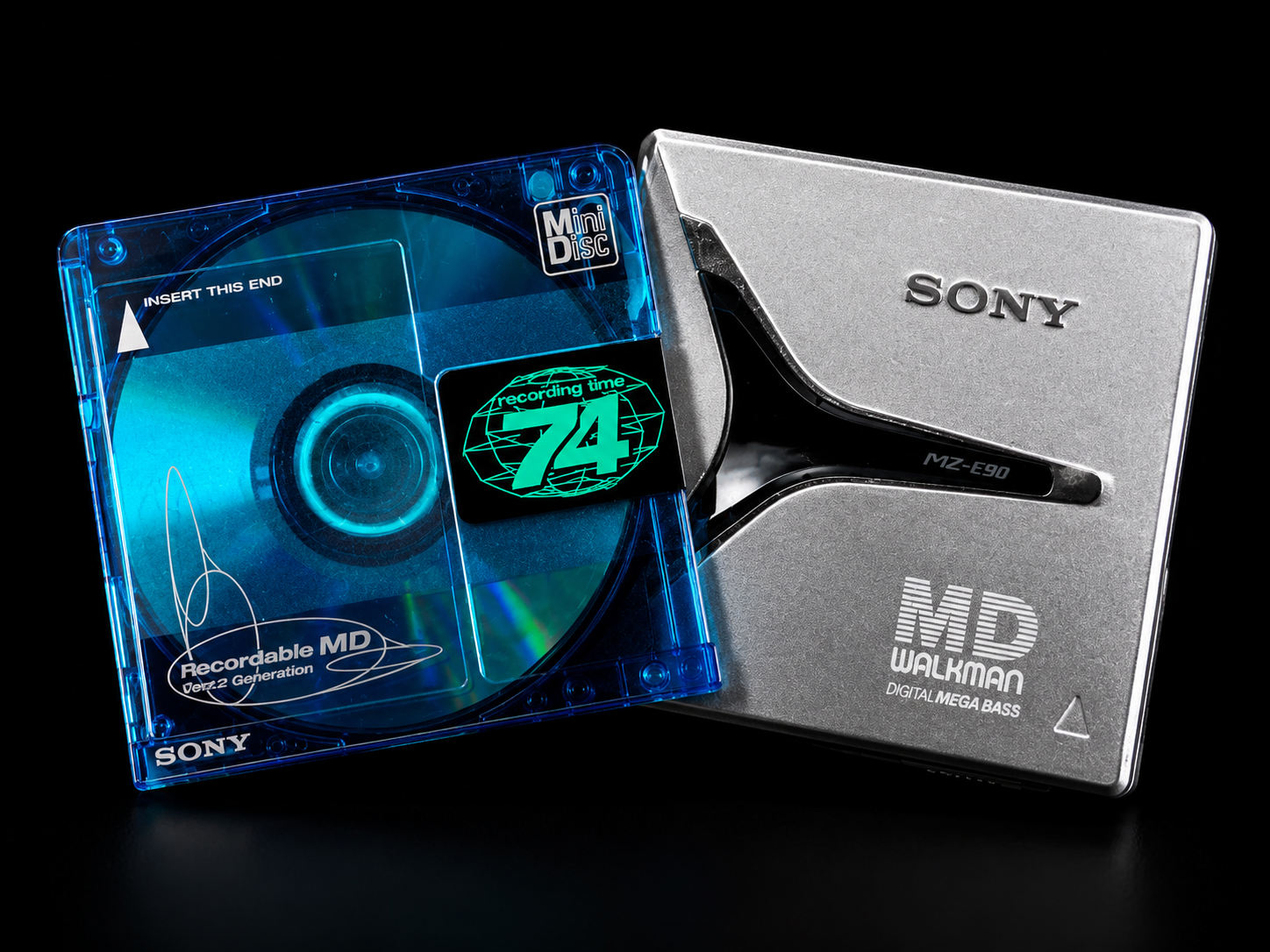
Portable CD Players
A whole album in your bag, if you walked carefully.
Before digital music libraries, the Discman made CDs portable. You could carry your favorite albums, swap discs on the bus and feel like the CD rack at home had followed you outside.
The downside was legendary: one bump while walking could make the music skip. Anti-skip buffering improved things, but MP3 players eventually made carrying discs feel like work.
Portable CD quality with a skipping problem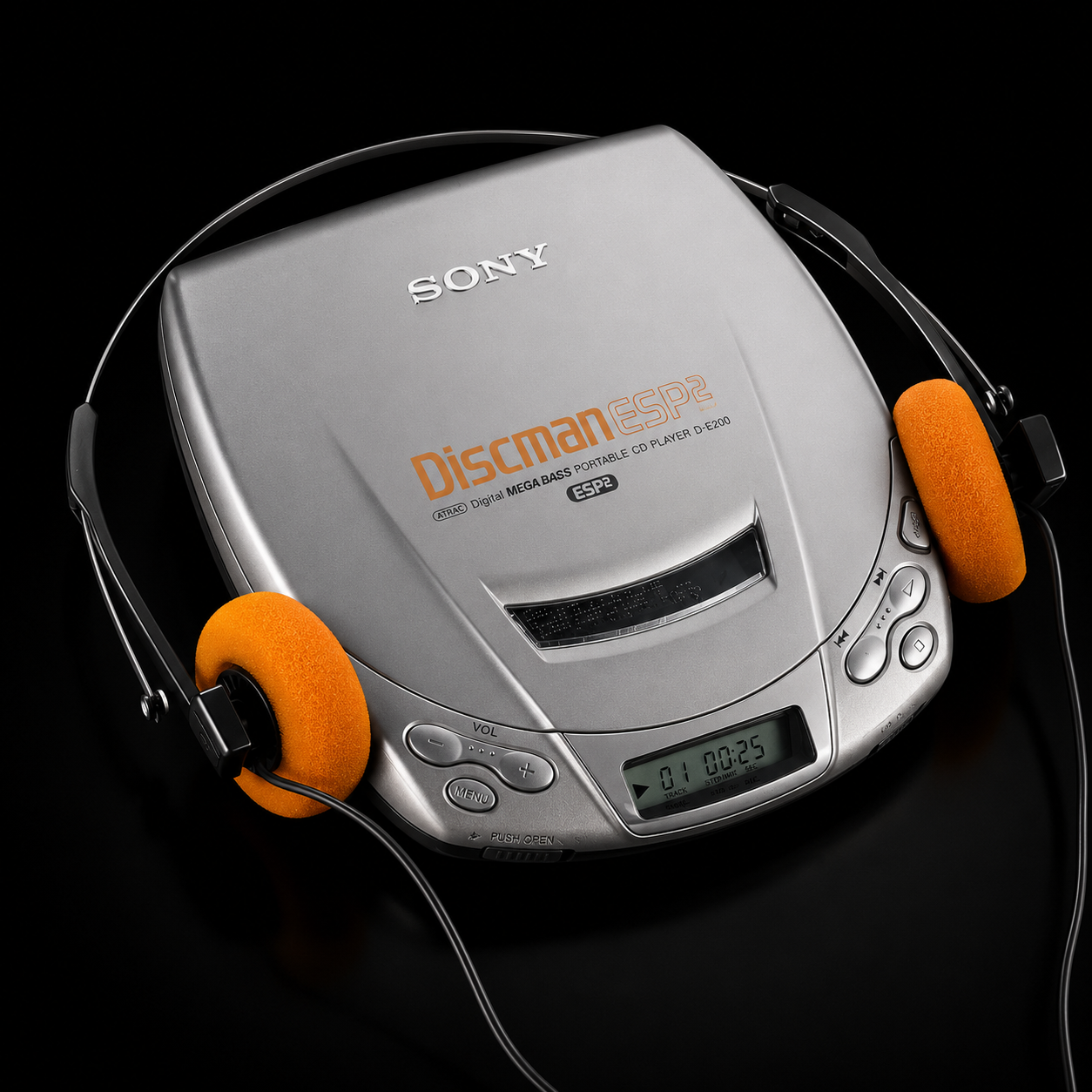
Camcorders
Birthdays, graduations and vacations on tape.
Family vacations, birthdays and graduations were documented by camcorders throughout the decade. They were bulky compared with phones, but they made home video feel important and intentional.
Smartphones eventually swallowed the category. Once a phone could shoot decent video and share it instantly, carrying a dedicated camcorder became something only specific users still needed.
The memory machine before phone cameras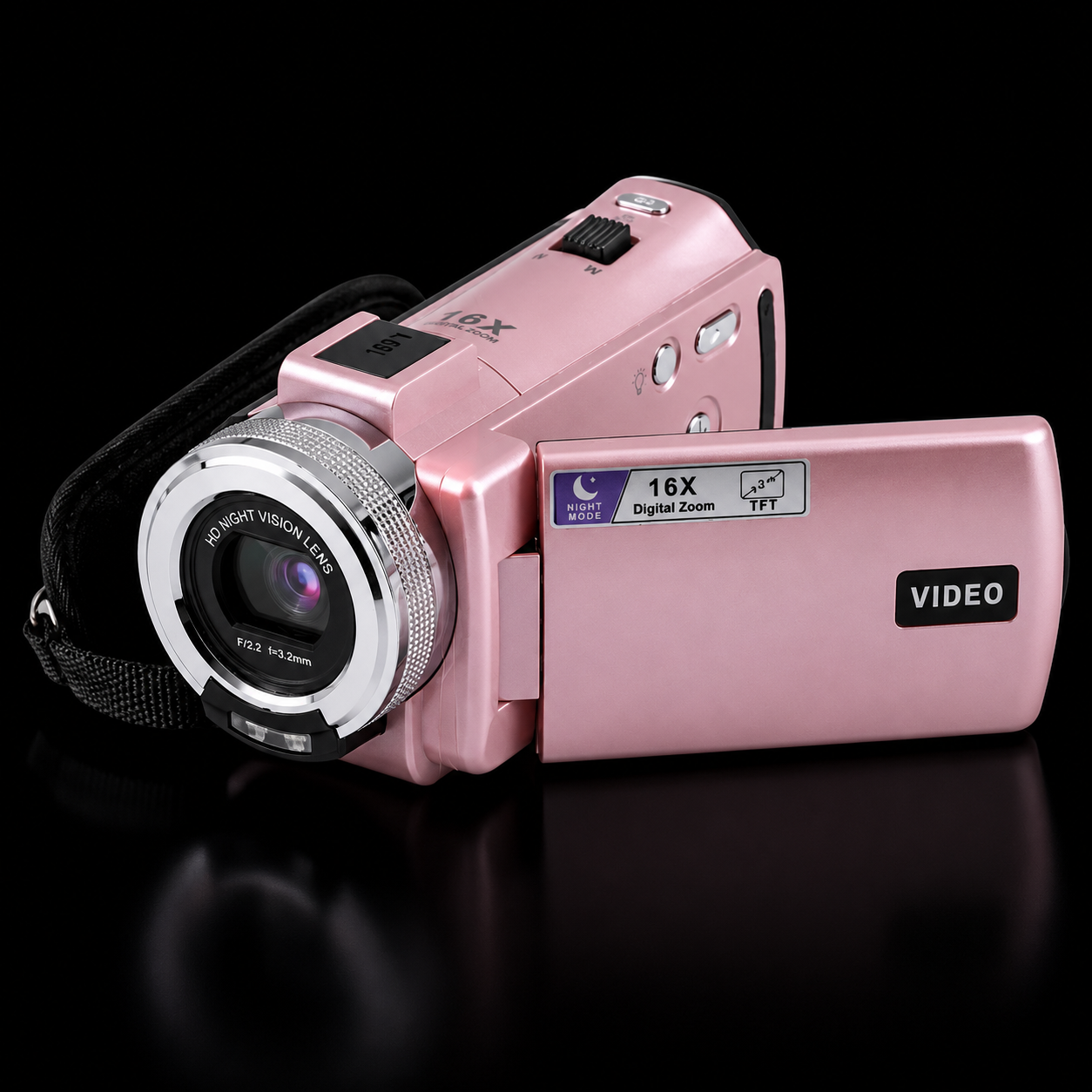
Tamagotchi
A tiny digital pet with real-world responsibility.
Part toy and part digital pet, the Tamagotchi became a worldwide craze. Owners had to feed, clean and care for a tiny virtual companion throughout the day, which made the device feel oddly personal.
Newer versions still exist, but the original 90s wave had a very specific magic: a tiny screen, three buttons and the feeling that your pocket held a little life you were responsible for.
Still alive through nostalgia and new releases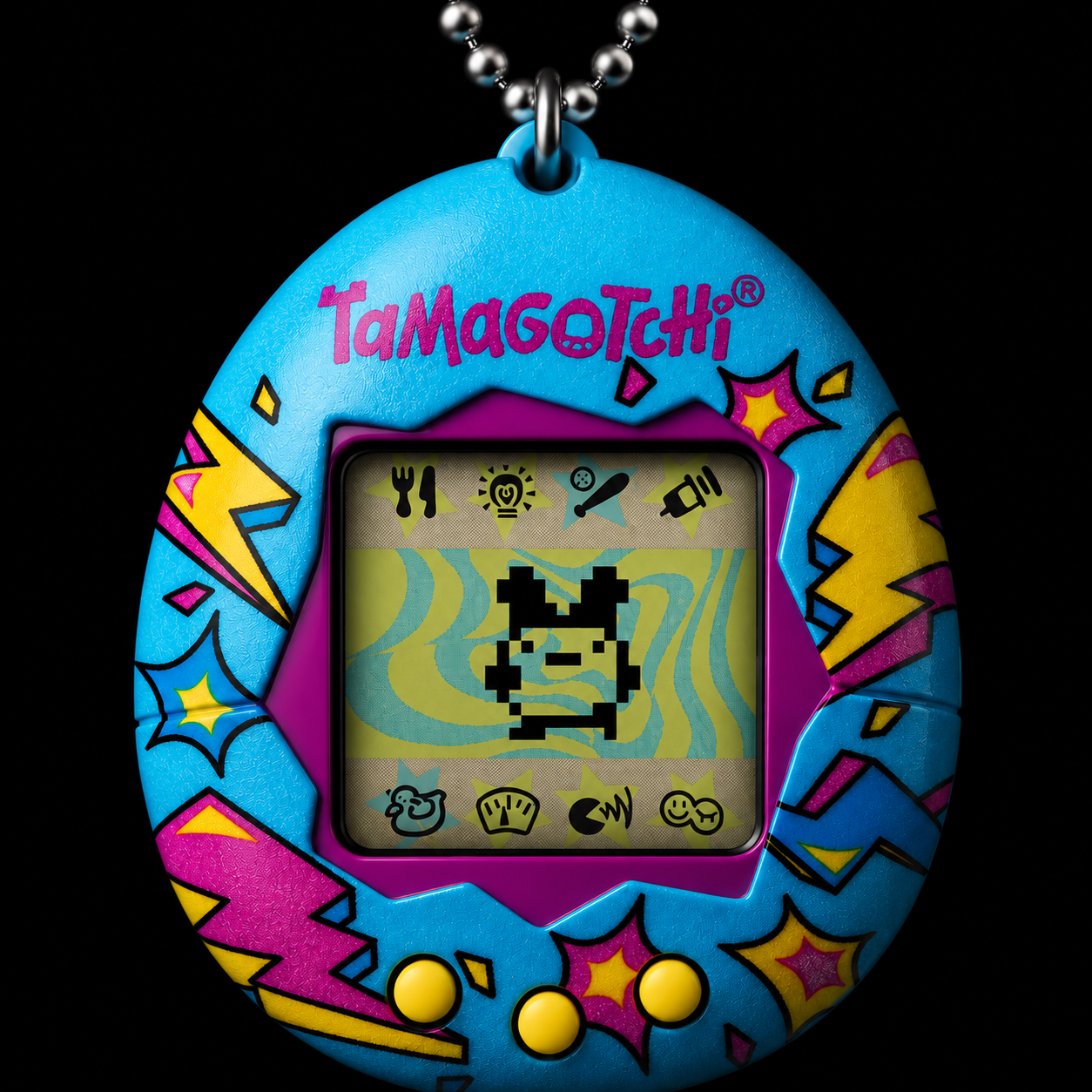
Why We Still Miss Them
These gadgets disappeared from store shelves, but they helped shape modern technology. Many introduced ideas that evolved into today's smartphones, tablets, streaming services and wearable devices.
For people who grew up during the 1990s, they also represent something else: a time when technology felt new, exciting and more personal. Before endless notifications and algorithmic feeds, every gadget had one clear purpose. Somehow, that was enough.
FAQ
Why did these 90s gadgets disappear?
Most disappeared because smartphones, streaming, cloud storage and digital media combined their jobs into fewer devices.
Are any 90s gadgets still used today?
Yes. Some pagers are still used in hospitals, and newer Tamagotchi models continue to exist as nostalgia-driven toys.
Why do people still miss 90s gadgets?
They were simple, physical and focused. Each device did one job, which makes them feel more personal than many modern all-in-one devices.